The essential conversation
12 questions worth asking
Listen for specific answers. A serious entertainment partner should be able to explain both the creative choice and the operational plan behind it.
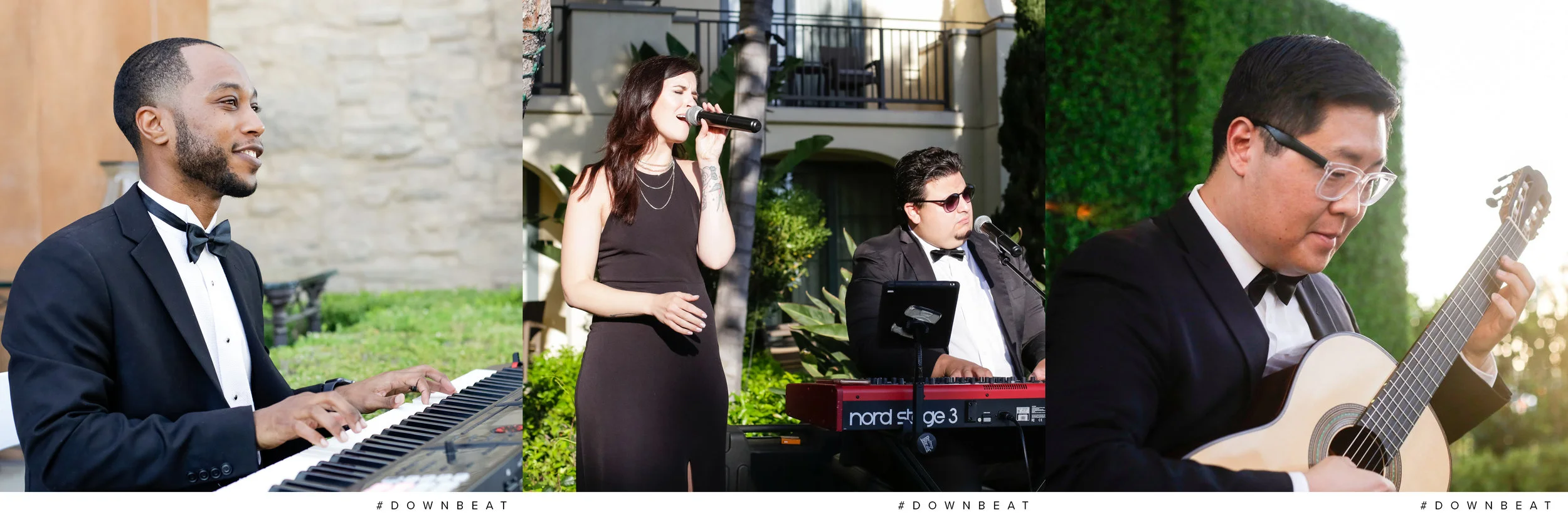
Who will actually perform at our event?
Ask whether the artists you see and hear in the materials are the artists under contract—and how substitutions are handled.
What makes this show distinct?
Look for a point of view: original arrangements, real musical direction, touring-level performers, or a specific way of reading a room.
What is included in the proposal?
Clarify musicians, vocalists, bandleader, sound, lighting, backline, travel, setup, breakdown, overtime, and any ceremony or cocktail-hour coverage.
Who directs the music before the event?
There should be a clear person translating your preferences, priorities, and timeline into a coherent musical plan.
How is the repertoire shaped?
Ask how must-plays, do-not-plays, special dances, generational range, and cultural music are incorporated without turning the set into a disconnected request list.
Can the band handle MC responsibilities?
Confirm who makes announcements, how names are collected and rehearsed, and how the band coordinates entrances, toasts, and formal moments.
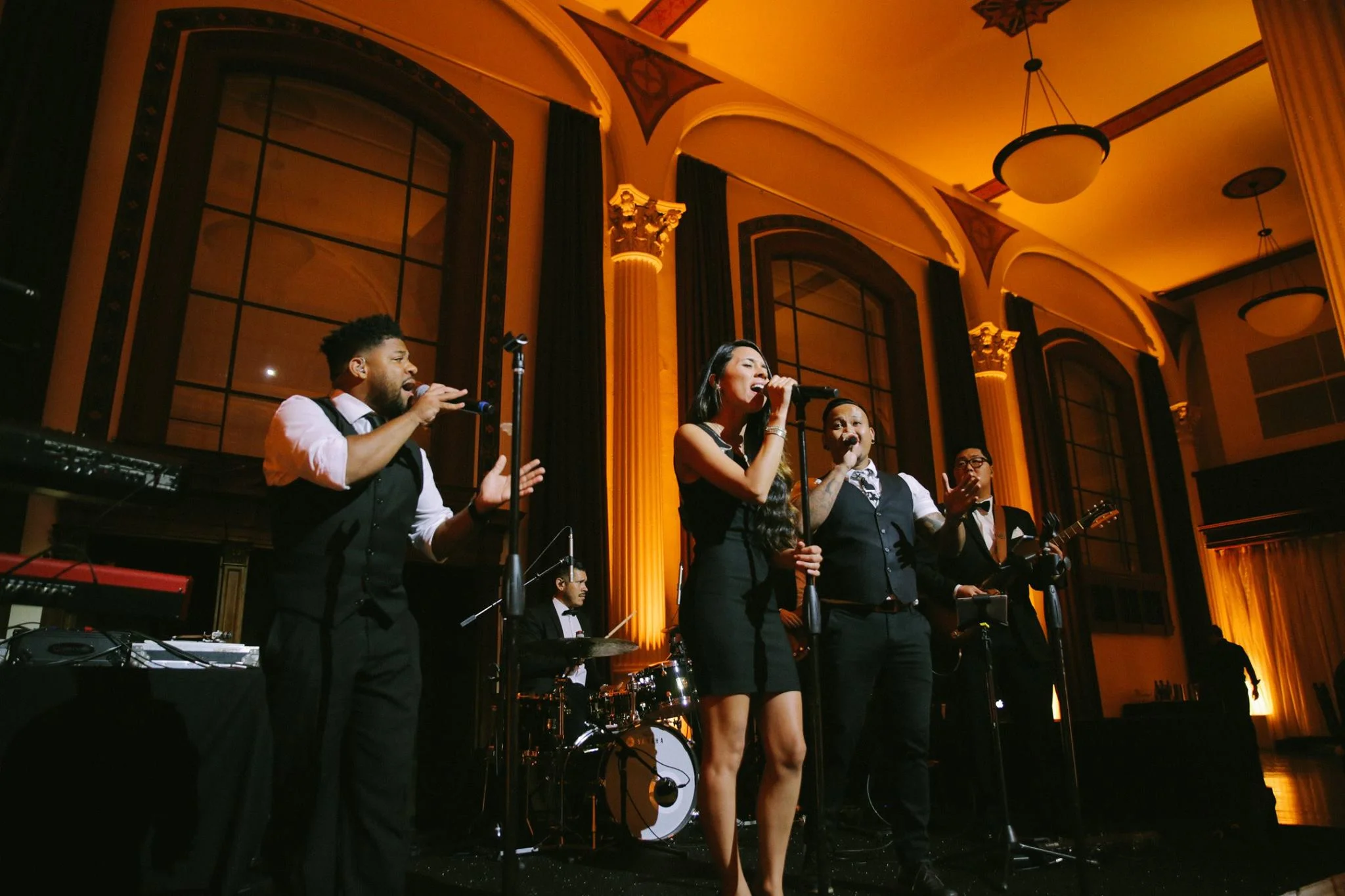
How do sets and breaks work?
Request a sample performance arc. The answer should account for dinner, formalities, dance-floor momentum, and what guests hear when the band steps offstage.
What does the production require?
Get the stage footprint, power needs, load-in access, soundcheck window, volume considerations, and the name of the production lead.
How do you work with the planner and venue?
The entertainment team should coordinate directly with the people responsible for the room—not leave production details for the client to translate.
What happens if plans change?
Ask about contingency plans for weather, timeline shifts, performer illness, travel disruption, and requests for additional time on the night.
Can we see complete live performance examples?
A highlight reel shows the peak. Longer, genuinely live examples show musicianship, consistency, transitions, and how the performers hold a room.
What do former clients and creative partners say?
References should speak to reliability and collaboration as clearly as they speak to talent.